Student Learning
Structured exposure to fish, plants, water, equipment and system operations.
Learn more
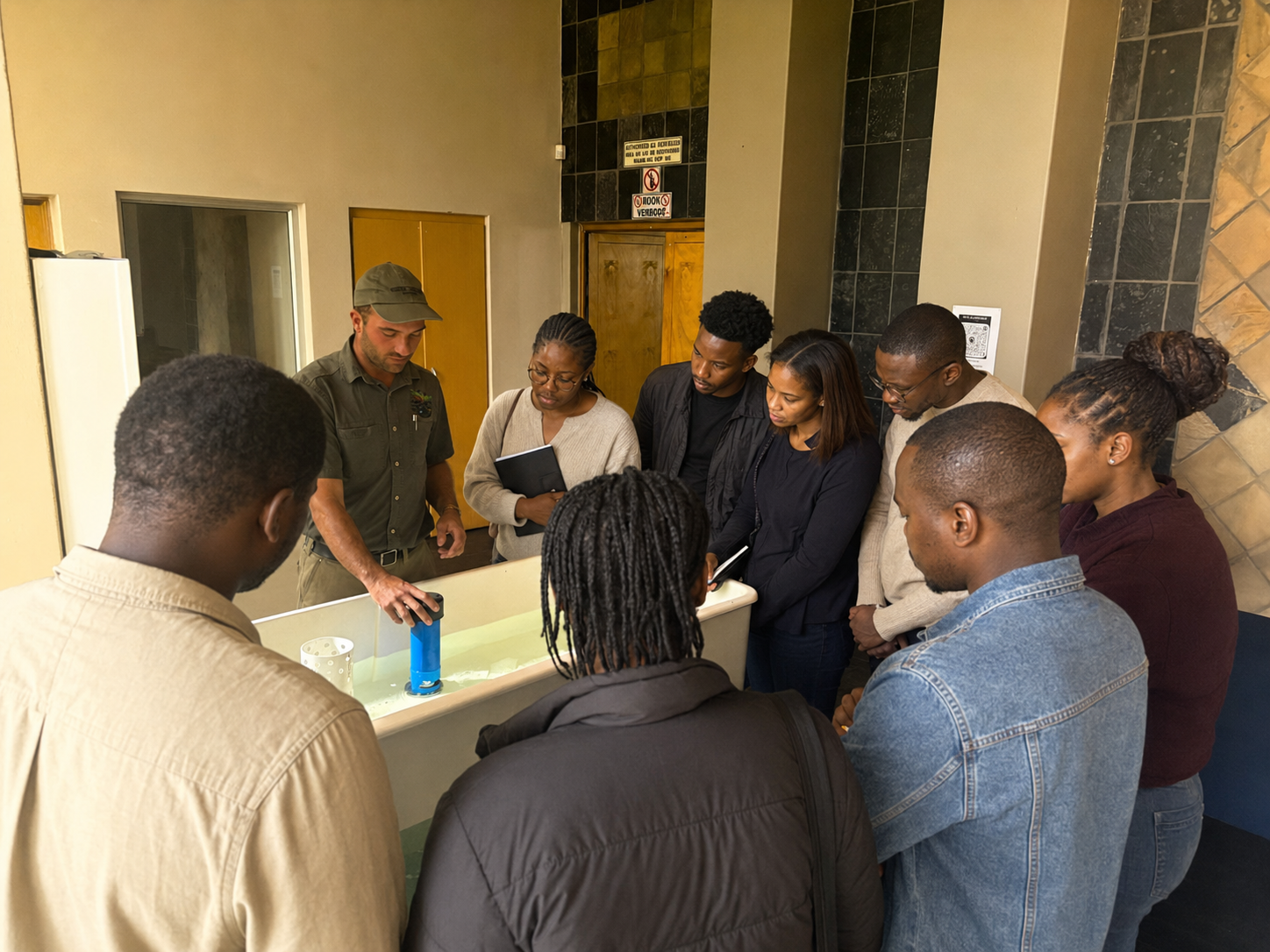
Learning Through Collaboration
A platform for applied aquaponics research, student development and knowledge sharing.
Applied Knowledge
Aquaponics creates opportunities for applied work across agriculture, aquaculture, water management, engineering, environmental science, business and food systems.
Sable Creek Aquaponics welcomes structured discussions with universities, colleges, schools and research organisations where objectives, responsibilities and resources are clearly defined.
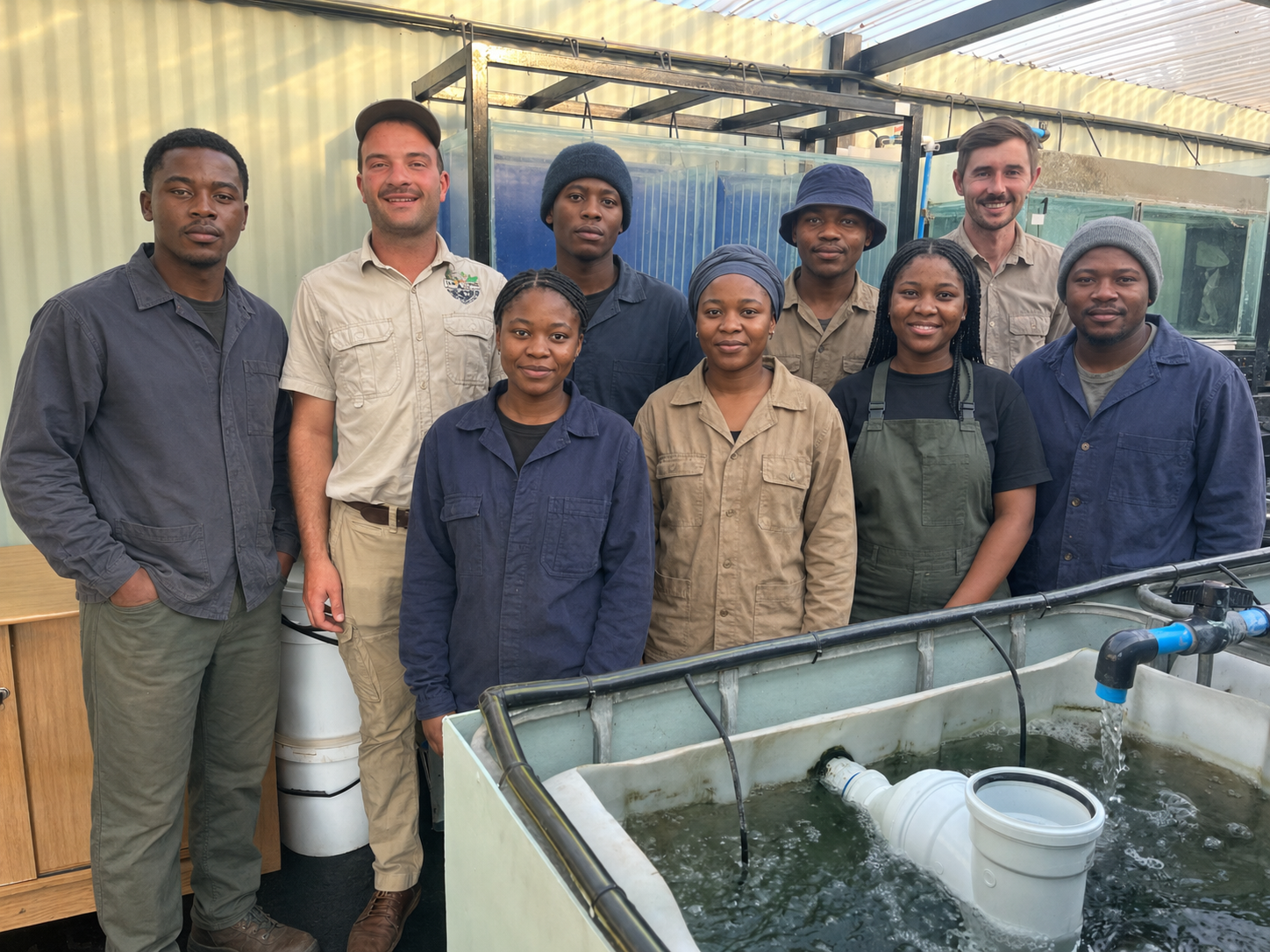 Research. Learn. Share.
From Question to Trial
Potential collaboration may include site visits, demonstrations, student exposure, supervised projects, data collection, production trials and technology evaluation.
Any reference to a partner institution or completed collaboration will only be published after the relevant details and permissions have been confirmed.
Collaboration Opportunities
Structured exposure to fish, plants, water, equipment and system operations.
Learn moreDiscuss practical research questions suited to available facilities and capability.
Learn moreExplore controlled crop, feed, water or operating trials under an agreed method.
Learn moreArrange suitable educational demonstrations for approved groups and programmes.
Learn moreConsider practical testing of relevant aquaponics equipment or monitoring tools.
Learn moreSupport appropriate workshops, presentations and dissemination of approved findings.
Learn moreCollaboration Requirements
The parties should agree the purpose, method, resources, supervision, data use, intellectual property, safety and publication arrangements before work begins.
State the research, teaching or demonstration outcome being pursued.
Identify supervision, equipment, funding, access and operational responsibilities.
Agree ownership, confidentiality, acknowledgement and approval requirements.
Starting a Collaboration
Proposals should identify the institution, responsible contact, participants, objective, timing and expected support.
Provide the question, purpose, proposed participants and preferred timing.
Review facilities, capacity, risk, responsibilities and required approvals.
Agree the scope, governance, schedule and authorised communications.
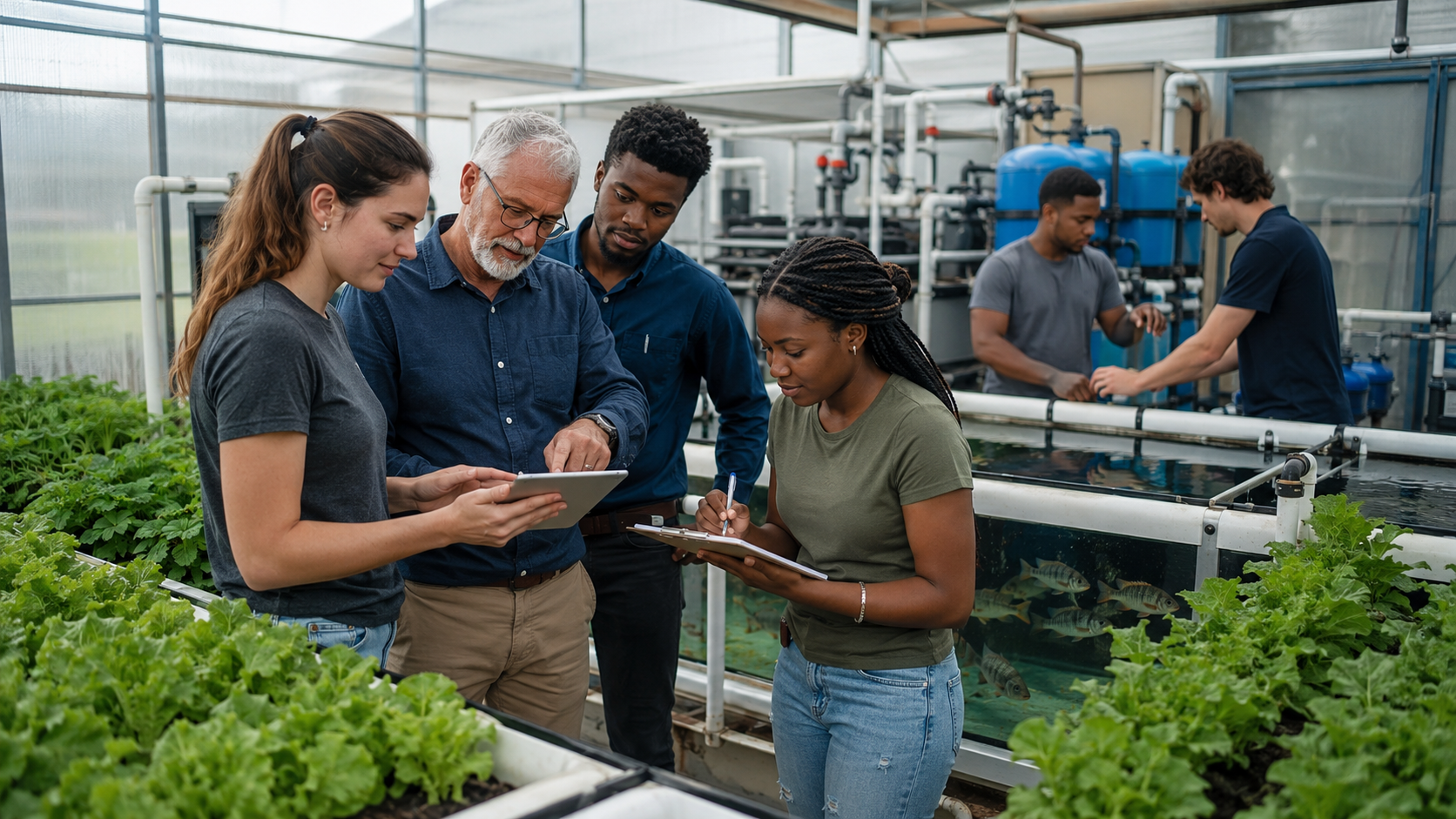
Discuss Research Collaboration
Send a concise concept note with the institution, objective, proposed activities, participants and timing.